

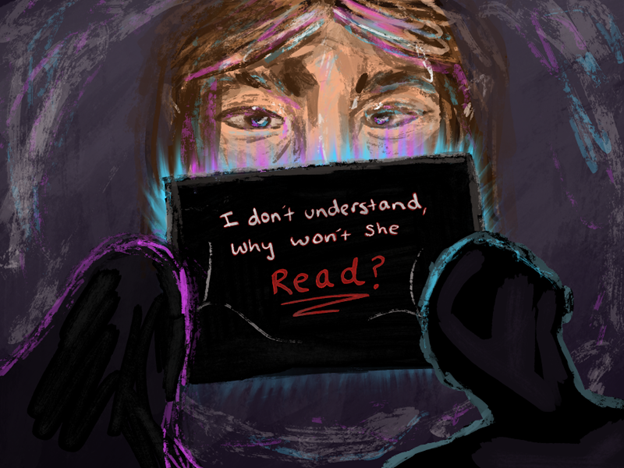
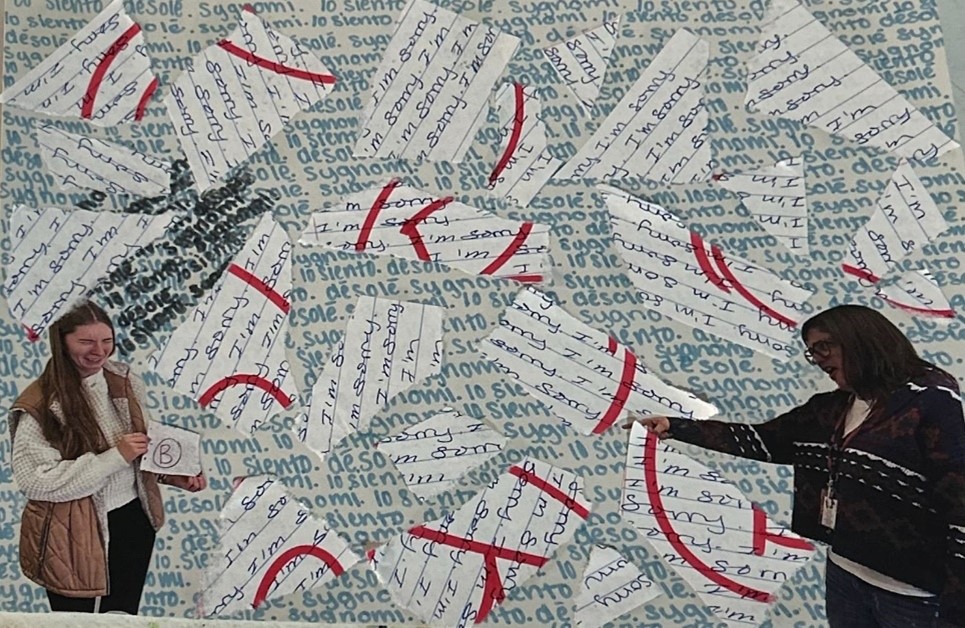









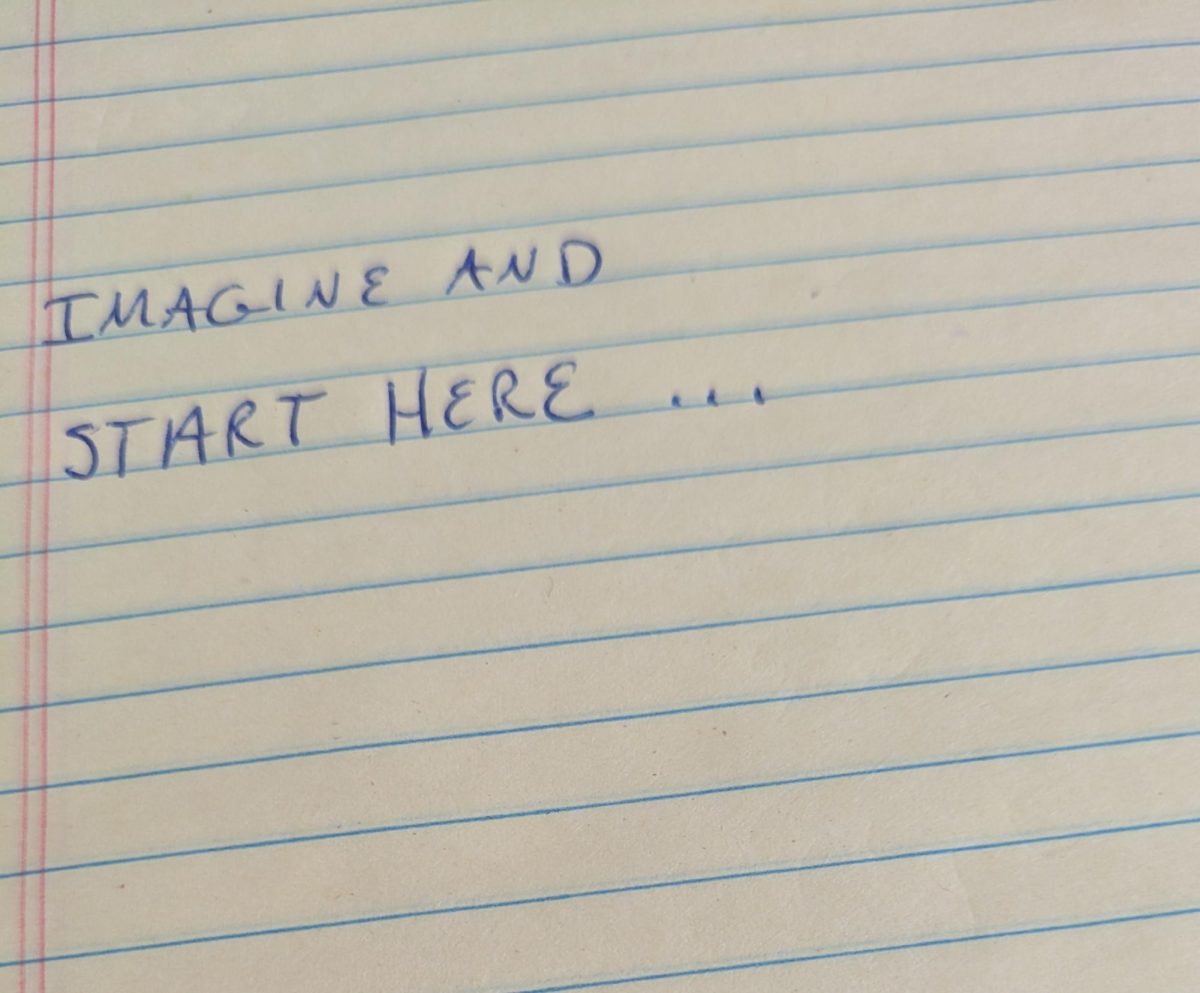




Sorry is probably the most used word within my vocabulary; apologizing has become second nature. I will admit that I apologize frequently– sorry I’ve said your name and would like to have a discussion with you, I’m sorry that I don’t meet your expectations of who I am (though, likely this isn’t true), I’m sorry for exhaling too loudly. I’m sorry for blinking too much.
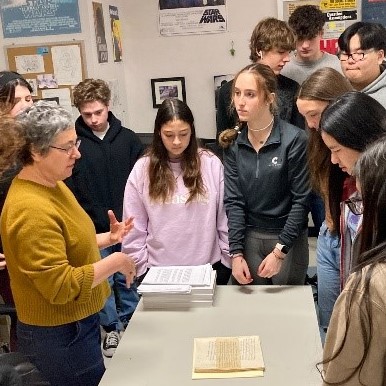
I apologize so much that teachers have begun calling me out. Often, before I can even finish saying the words, I feel compelled to apologize yet again. It’s escalated to the point where I’ve been figuratively grounded.
I didn’t know that it was possible for a teacher to ground a student for apologizing so much, but it happened anyway.
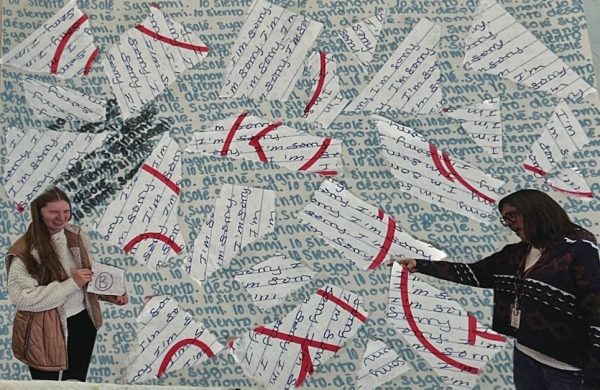
For many women, not just me, apologizing too often is common. We are found apologizing more than men because we seem to have more empathy. Frequently, we have higher thresholds for what constitutes offensive behavior, leading to excessive apologizing.
Unnecessary apologizing, we are told, stems from a lack of confidence. I found this to be true, especially for me; saying sorry for everything shows a sense of insecurity in oneself. The need to apologize for a grade of B does nothing but show my English teacher that I’m insecure about the grade I’ve received. We are often told that apologizing conveys a lack of authority as well as a lack of confidence. When considering cultural aspects, excessive apologizing becomes part of a societal script about self-confidence, power, and gender. Women have been conditioned to apologize through various cultures and even throughout history. Author Tish Warren notes that being raised in the South women are often conditioned to apologize compulsively.
In a survey of forty-seven people, twenty-nine females said they apologize unnecessarily, while only eight males said they feel they apologize unnecessarily. One responder said they apologize so much because they feel people are always mad at them. Commonly, when people are constantly feeling others are mad at them, the issue is rooted in a lack of confidence. Consequently, excessive apologizing results.
When I was reviewing the survey, I noticed several similarities in my personal experience and the experiences of others. Many of my peers mentioned they felt it was necessary in order to end on good terms. One person mentioned saying sorry is a way of trying to explain themselves in fear, which resonated with me.
I do often apologize out of fear that I have done something wrong. More often, I feel that I’ve upset the person I’ve interacted with, and I apologize on impulse in order to keep things on good terms.
Similarly as several responders explain, they apologize unnecessarily because of the anxiety they experience while interacting with other people. While reflecting on my personal behavior, I have noticed that I apologize for similar reasons. Though my personal story is unique in some ways, women are still unified by an expectation of being seen and not heard.
Though I apologize very frequently, I have noticed through the survey I conducted that the issue is more common than I had originally thought. Women apologize for various reasons: feelings of empathy, the way they were raised, societal standards, lack of confidence, and levels of anxiety. Apologizing is something I, and many other women struggle with.
Through finding the root of why saying sorry frequently is so common, I am given an opportunity to reflect on my personal experiences and allow myself some elbow room to loosen up and build confidence.
Works Cited
“CAS – Central Authentication Service NetID Single Sign On.” Uconn.edu, 2025, research-ebsco-com.ezproxy.lib.uconn.edu/linkprocessor/plink?id=64a3780e-17b0-32b6-903a-bd375f579f5b. Accessed 23 Dec. 2025.
“CAS – Central Authentication Service NetID Single Sign On.” Uconn.edu, 2025, research-ebsco-com.ezproxy.lib.uconn.edu/linkprocessor/plink?id=8e02d6c6-409d-32b5-8d55-7f95bc4260e4. Accessed 23 Dec. 2025.
Crosley, Sloane. “Opinion | Why Women Apologize and Should Stop.” The New York Times, 23 June 2015, www.nytimes.com/2015/06/23/opinion/when-an-apology-is-anything-but.html.
to, Elizabeth Byers. “Excessive Apologizing: I’m Sorry to Take up Your Time. :).” Google Docs, 2025, docs.google.com/forms/d/1hOU2qw8F7ROJDLtP6e6ocArL3-MWMH7–Z8yrqeafMA/edit#question=193574675&field=366340186. Accessed 23 Dec. 2025.
Warren, Tish Harrison. “Opinion | an Apology for Saying “Sorry.”” The New York Times, 7 May 2023, www.nytimes.com/2023/05/07/opinion/an-apology-for-saying-sorry.html.
Wong, Kristin. “No, You Don’t Have to Stop Apologizing.” The New York Times, 23 Apr. 2019, www.nytimes.com/2019/04/22/smarter- living/no-you-dont-have-to-stop-apologizing.html
Makenzie Smith • Feb 20, 2026 at 10:35 am
“excessive apologizing becomes part of a societal script about self-confidence, power, and gender” TRUTH!